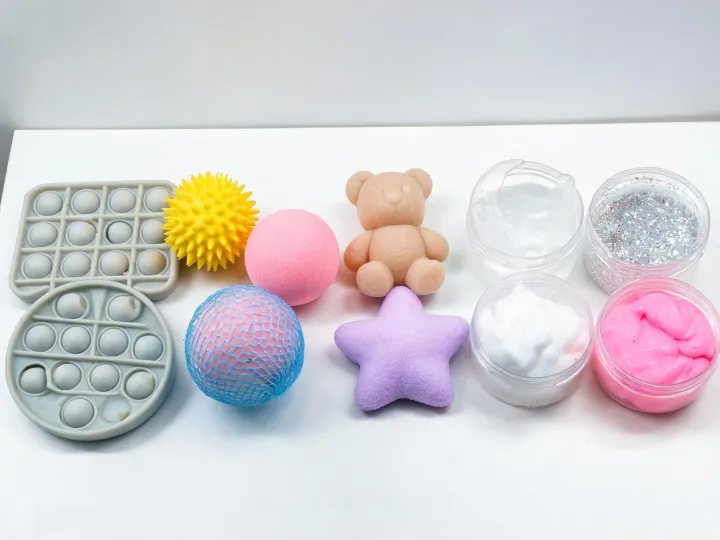
Texture table
We compare press, squeeze, stretch, and rebound so a toy's sensory promise matches the way children actually use it.
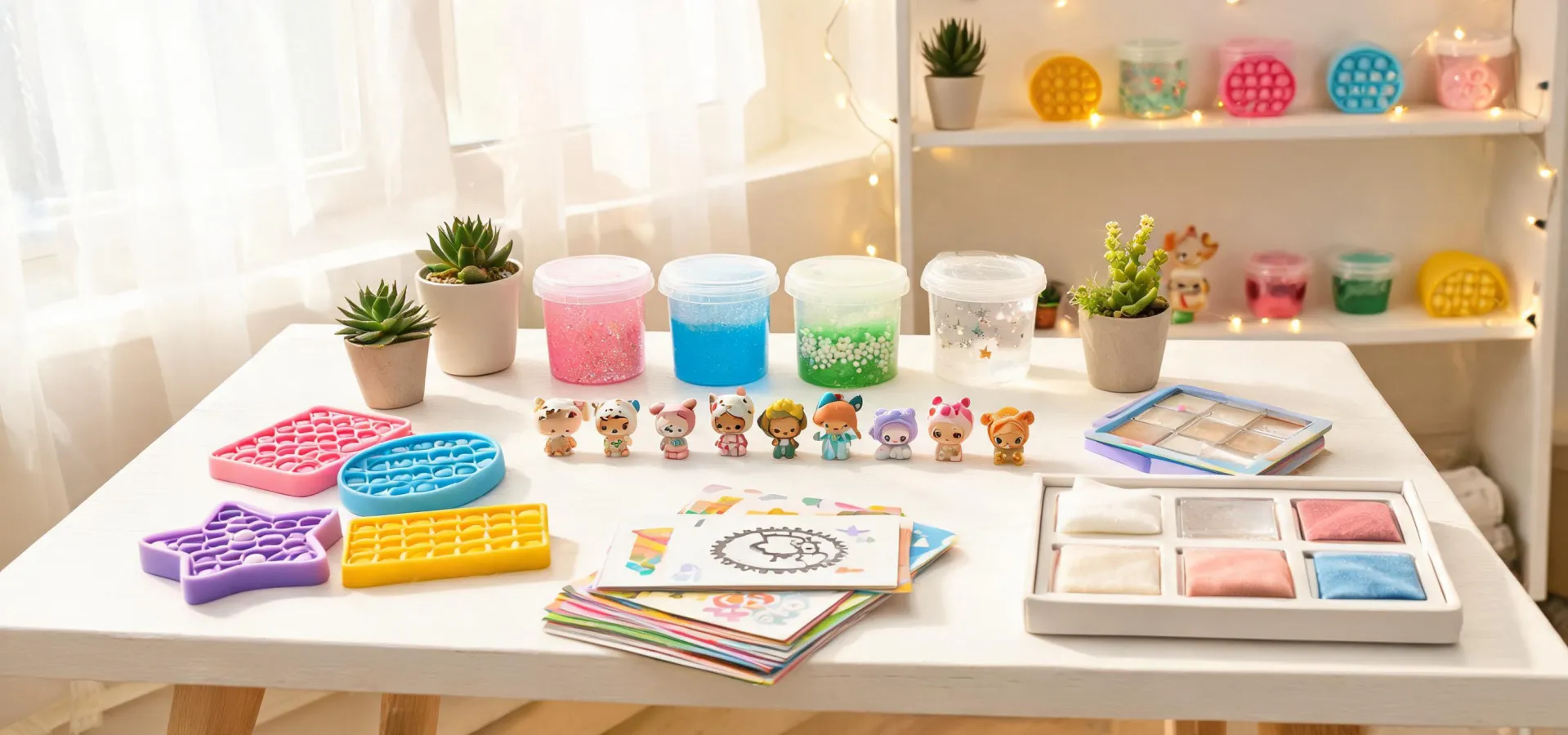
We believe a good toy should be easy to understand, delightful to touch, and simple for adults to feel good about.
"Our work is to keep play joyful while making the choice feel clear: what age it suits, what skill it invites, how it feels in little hands, and why it earns a place in the play bin."
Pop It began with a familiar grown-up problem. The toy aisle can be bright and exciting, but it can also feel crowded with choices that look alike. Families asked for sensory toys that were satisfying but not messy beyond reason. Teachers wanted quiet reset pieces that children could use without a long explanation. Retail buyers needed a colorful display that made sense quickly. Gift shoppers wanted something playful that did not feel random.
So we built Pop It around friendly curation. We pay attention to the tactile details children notice first: the soft rebound of a squishy, the sound and resistance of a pop-it bubble, the stretch of slime, the tiny story cue in a collectible figure, and the little "I did it" moment in an early STEM challenge. Then we pair that joy with adult-facing notes about age fit, care, material preference, and play value.
Our review space is cheerful on purpose. The brighter the play table feels, the easier it is to notice whether a toy invites a child in, holds attention, and cleans up without drama.
We compare press, squeeze, stretch, and rebound so a toy's sensory promise matches the way children actually use it.
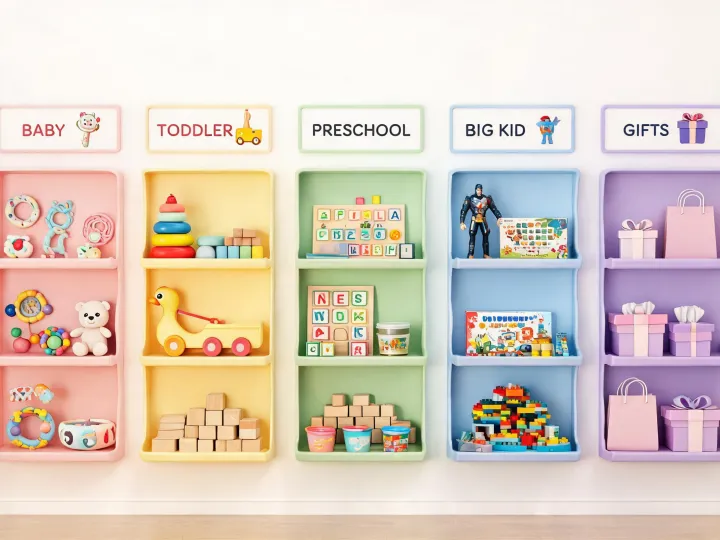
Products are sorted by developmental moment, supervision level, and first-play clarity before they become a recommendation.
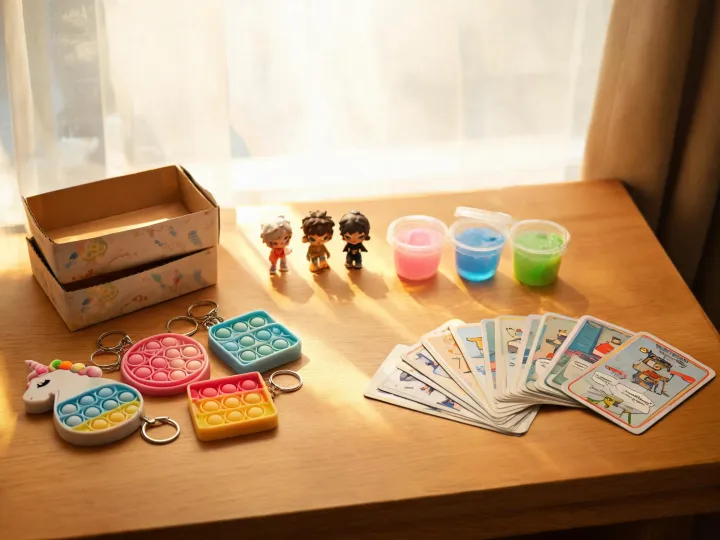
We build occasion sets for birthdays, travel bags, classroom prizes, and baby showers with a balance of delight and usefulness.
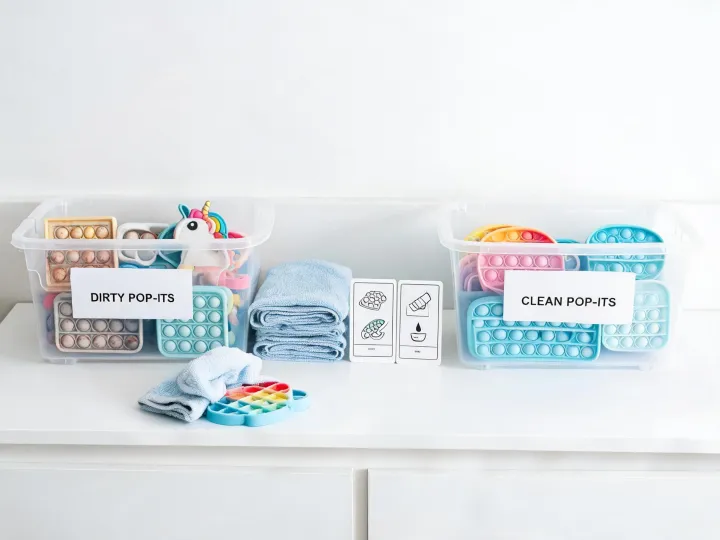
Cleaning, storage, and repeat-play routines are part of the review because a toy has to survive real family schedules.
Instead of dense product manuals, our reference notes are short, practical, and built around common play questions. They help a parent decide whether a fidget belongs in a travel pouch, whether slime fits a supervised activity table, or how a collectible set can prompt storytelling instead of becoming shelf clutter.
Retail teams use the same notes to train staff on simple phrases: who the toy suits, what the child does first, and which companion product makes the gift feel complete. The tone stays warm because choosing toys should feel like planning a happy afternoon, not decoding a specification sheet.
Tell Pop It what you are choosing for, and we will help make the shelf feel friendlier.