Pick the texture
Let the child choose between popping, squeezing, stretching, or sorting. Naming the texture gives the activity a calm starting point.
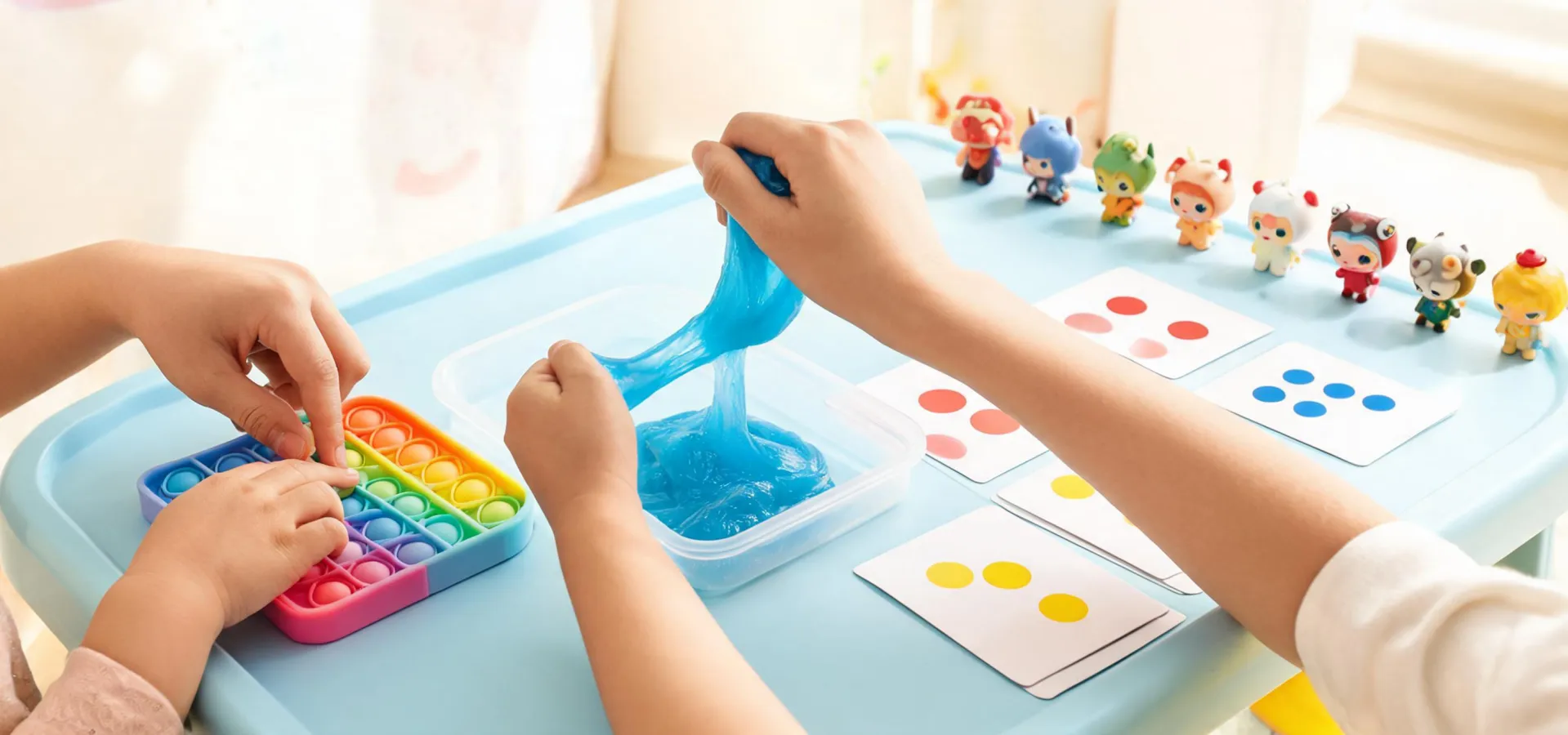
A pop-it board can be a counting game, a slime cup can become a color story, and a collectible figure can start a five-minute adventure before dinner.
This timeline keeps the SUS-D structure of a horizontal journey, but the content is built entirely around play prompts for sensory, pretend, and early learning moments.
Let the child choose between popping, squeezing, stretching, or sorting. Naming the texture gives the activity a calm starting point.
Press only the red bubbles, stretch slime into three shapes, or trade collectible characters after each story turn.
Count rows, match colors, practice first sounds, compare sizes, or ask the toy character to solve a simple problem.
Return pieces to bins, wipe washable surfaces, and let the child choose tomorrow's first toy to create a tidy ending.
Each format is short, flexible, and easy to scale for one child, siblings, a classroom table, or a party favor station.
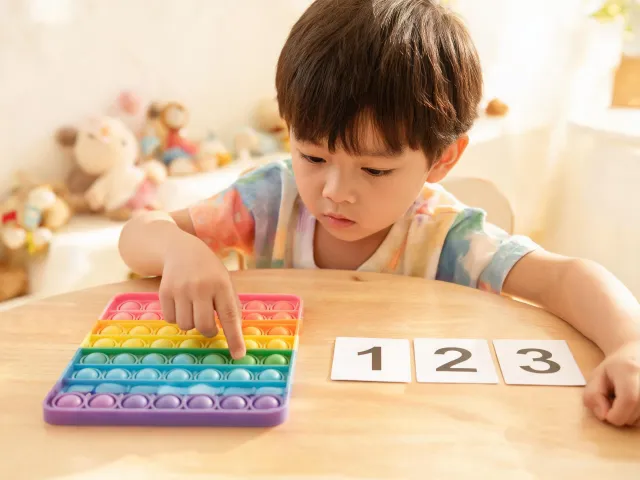 5 minutes
Choose a number, pop that many bubbles, then ask the child to make a pattern before resetting the board.
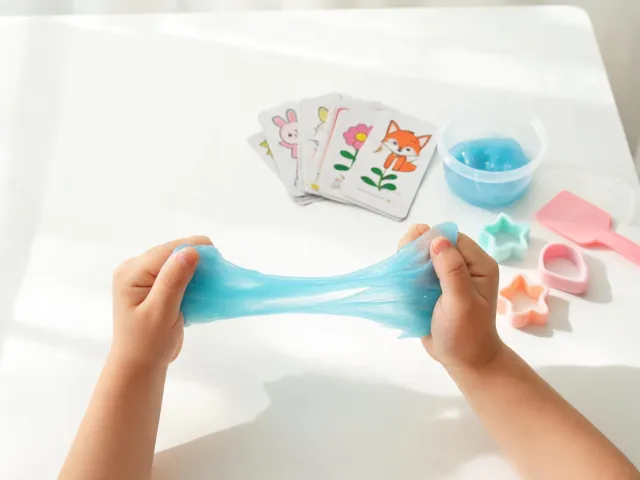 10 minutes
Pick two colors, invent a creature, and describe where it lives while keeping the activity on a wipeable tray.
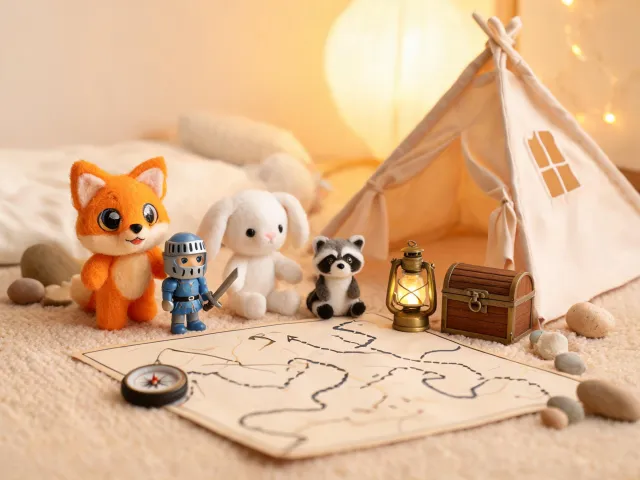 15 minutes
Give each figure a job, move them through three scenes, and let the child retell the mission at the end.
Pop It play ideas are written for the people setting up the moment, not just the child holding the toy.
Quick reset activities for travel, waiting rooms, homework breaks, and rainy afternoons.
Low-prep table prompts for calm corners, early math, storytelling, and choice stations.
Occasion notes that explain why a small tactile toy feels more personal in a bundle.
Friendly shelf language for explaining age-stage fit without overwhelming shoppers.
Share the age, toy type, and setting, and Pop It will suggest a simple activity that fits the moment.